It is common to notice a strange smell or taste in your mouth immediately following a professional hygiene appointment. This usually happens because the dental cleaning in Vaughan process stirs up old bacteria and debris that were hidden deep under your gum line or between your teeth. As these pockets are cleared, the trapped odours are released all at once, but this is temporary and actually a sign that the mouth is becoming cleaner.
Why Does My Breath Smell Funny After I Leave The Dentist?
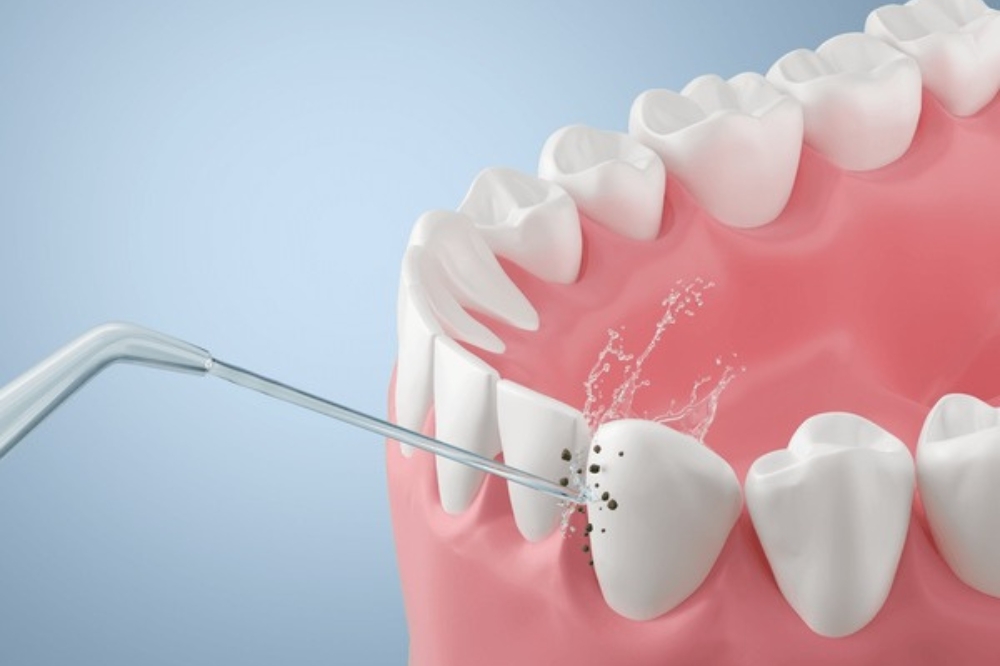
When you visit a professional for a dental cleaning, the tools used are designed to reach places your toothbrush cannot. These tools break up hardened plaque, also known as tartar. When this buildup is disturbed, it releases gases that have been trapped for months. You might notice a metallic or musty scent for a few hours as your saliva works to wash these particles away.
Removing buildup is essential to your health. Think of it like deep-cleaning a dusty room; sometimes you have to kick up a little dust to get everything spotless. This is exactly what happens during your appointment. Once the cleaning is finished, your mouth needs a little time to settle down and return to a neutral state.
How Can You Manage This at Home?
After your cleaning, a few simple steps can help:
- Brush and floss carefully – Avoid aggressive brushing if your gums are sore.
- Rinse with water or mouthwash – This helps remove loose bacteria.
- Stay hydrated – Saliva naturally helps fight odour.
- Avoid strong-smelling foods – Garlic, onions, and coffee can make it worse temporarily.
These tips usually resolve the problem quickly.
Is It Normal For My Gums To React This Way?
Your gums are very sensitive and have a rich supply of blood. During thorough cleaning, the gum tissue may be slightly disturbed, especially if a lot of tartar was present. This can lead to a tiny amount of bleeding or the release of oral fluids. These natural fluids have a distinct scent that can temporarily alter how your breath smells.
Many patients worry about bad breath after deep cleaning gums because they expect instant freshness. However, if your gums were inflamed before you arrived, they are currently in a healing phase. This healing process involves your immune system working hard to seal off the areas where bacteria used to live. As inflammation subsides over the next 24 to 48 hours, the odour will disappear completely.
What Role Do Dental Tools And Pastes Play
The dental materials your dentist utilize can also affect how your breath smells afterward. During cleaning, a gritty polishing paste is used to remove or eliminate stains and smooth your teeth.
Even though these pastes usually taste minty, they can mix with the natural chemistry in your mouth. This combination can sometimes lead to a temporary smell or odour that differs from your usual breath.
If you are looking for a dental clinic near you to handle these concerns, it is helpful to know that these professional products are non-toxic and safe. They are designed to scrub away the film that houses odour-causing germs.
Once you rinse and drink some water at home, the scent of the polishing paste and the dislodged debris will fade away, leaving you with a truly clean mouth.
How Long Should The Smell Last?
In almost every case, any unusual odour should disappear within a day. As you breathe, talk, and drink water, your mouth naturally flushes out the microscopic debris loosened during the procedure. Your saliva is your best friend during this time, as it neutralizes acids and helps maintain a balanced environment.
It is important to know when to call a dentist about bad breath if the situation does not improve. If you notice a persistent, foul taste or a very strong smell that lasts for more than two or three days, it might indicate an underlying issue that requires a quick follow-up. Most of the time, however, a simple salt-water rinse at home can help speed up the transition to fresh breath.
Does The Type Of Cleaning Matter?
The intensity of the cleaning often determines how much of a scent is released. A standard cleaning focuses on the surfaces of the teeth, while a deeper cleaning goes beneath the gum line. The deeper the reach, the more likely you are to encounter trapped sulfur compounds. These compounds are the primary cause of mouth odours and are easily disrupted by professional instruments.
Every dentist in Vaughan will tell you that the short-term inconvenience of a strange smell is worth the long-term benefit. By removing the source of the bacteria, you are preventing future cavities and gum disease. This proactive care ensures that your breath stays fresher for much longer intervals between your bi-annual visits.
Final Thought
Experiencing a brief change in your breath after a professional hygiene appointment is a regular part of the oral health journey. It signals that the deep-seated bacteria and tartar that cause long-term damage have been successfully removed. Within a few hours, your mouth natural balance will return, leaving you with a healthier smile and much fresher breath than before you walked through the door.
Keep Your Smile Fresh with Dental Cleaning
At Concord Dental, we prioritize your comfort and clarity. Our team is dedicated to providing a gentle, thorough experience that focuses on your long-term wellness. If you have concerns about your oral health or are due for a routine check-up, we are here to provide supportive and professional care in a relaxing environment.
FAQ
Why does my mouth taste like metal after a cleaning?
This metallic taste is often caused by tiny amounts of blood or the release of minerals from tartar buildup. Since tartar is a hardened mineral deposit, breaking it down can leave a temporary “mineral” sensation on your tongue. It usually goes away after you eat or drink something.
Can I brush my teeth right after a dental visit?
Yes, you can usually brush and floss as usual, but be very gentle. Using a soft-bristled brush helps clear away any remaining debris without irritating your gums, which are still sensitive from the professional tools.
Should I use mouthwash to get rid of the smell?
You can use a alcohol-free mouthwash, but a warm salt-water rinse is often better. Salt water helps soothe the gum tissue and naturally kills lingering bacteria without the stinging sensation that some commercial mouthwashes might cause.