Most people brush twice a day and think that is enough. But brushing at home only does part of the job. There are areas in your mouth that a regular toothbrush cannot reach. That is where professional teeth cleaning in Concord makes all the difference.
A professional cleaning removes built-up plaque and tartar that brushing and flossing leave behind. Done regularly, it protects your teeth and gums for years to come.
What Actually Happens During a Professional Teeth Cleaning?
Many people avoid cleanings because they are unsure what to expect. The process is straightforward and generally comfortable.
Here is what typically happens during your visit:
- Examination — Your dental hygienist checks your teeth and gums before starting
- Scaling — Special tools remove tartar and hardened plaque from above and below the gumline
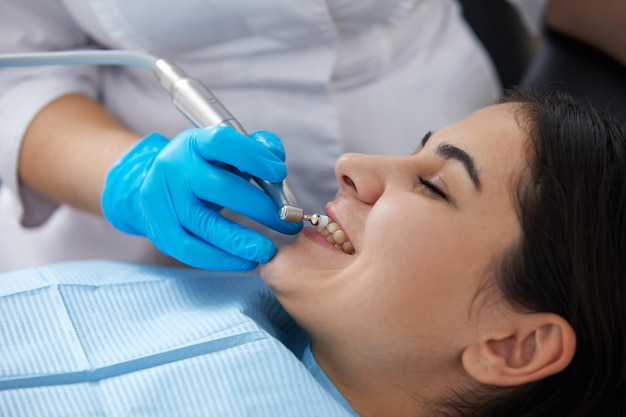
- Polishing — A gritty paste gently removes surface stains and smooths the enamel
- Flossing — Professional flossing clears anything left between the teeth
- Fluoride treatment — Sometimes applied at the end to strengthen enamel
The whole appointment usually takes 45 to 60 minutes. It is thorough, careful, and nothing to be nervous about. If you are looking for a dentist in Vaughan who makes the experience easy and comfortable, finding the right clinic is the first step.
Why Brushing Alone Is Not Enough
This is something many patients are surprised to learn. Brushing removes soft plaque from the surfaces of your teeth. But within 24 to 72 hours, plaque begins to harden into tartar—also called calculus. Once it hardens, no toothbrush can remove it.
Only a dentist can actually scrape tartar off. If tartar stays on your tooth, harmful bacteria begin to grow on it, and over time, these bacteria cause gum disease, tooth decay, and eventually bone loss. Regular professional cleanings are the only reliable way to stay ahead of this process.
The Connection Between Clean Teeth and Overall Health
Here is something that surprises many people — your oral health is directly connected to your whole-body health.
Research has consistently shown links between gum disease and serious health conditions, including:
| Health Condition | Connection to Oral Health |
| Heart disease | Oral bacteria can enter the bloodstream and affect the heart |
| Diabetes | Gum disease makes blood sugar harder to control |
| Respiratory infections | Bacteria from the mouth can be inhaled into the lungs |
| Pregnancy complications | Gum disease has been linked to premature birth and low birth weight |
| Stroke | Chronic oral inflammation may increase cardiovascular risk |
Taking care of your teeth is not just about your smile. It is about protecting your health from the inside out. Visiting a dentist near you regularly is one of the most impactful things you can do for your long-term well-being.
What Happens When You Skip Cleanings?
Skipping a cleaning here and there might seem harmless. But the effects build up over time.
When regular cleanings are missed, here is what can develop:
- Gingivitis — Early gum disease that causes redness, swelling, and bleeding gums
- Periodontitis — Advanced gum disease where the gums pull away from the teeth
- Cavities—Bacteria left unchecked create acid that eats through enamel
- Tooth sensitivity — Exposed roots become increasingly painful
- Tooth loss—In severe cases, untreated gum disease destroys the bone holding teeth in place
- Costly treatments—What a cleaning could have prevented may now need a filling, root canal, or extraction
Prevention is almost always simpler and more affordable than treatment.
How Often Should You Get Your Teeth Cleaned?
For most adults, twice a year — or every six months — is the standard recommendation.
However, some people may need more frequent visits, including those with:
- A history of gum disease
- Diabetes or other health conditions affecting immunity
- Braces or dental implants
- A tendency to build up tartar quickly
- A history of frequent cavities
Your dental team will assess your individual needs and recommend the right schedule. Scheduling teeth cleaning near you twice a year is a small commitment that pays off in a very big way.
Small Habits That Work Between Cleanings
Combining with a good habit at home, dental cleaning could achieve the best results:
- Brush for a full two minutes, twice a day
- Floss every single day — not just when something feels stuck
- Use a fluoride toothpaste
- Drink plenty of water, especially after meals
- Limit sugary and acidic foods and drinks
- Replace your toothbrush every three months
These habits do not replace professional care — they support it.
Your Healthiest Smile Starts Here—Book With Concord Dental Today
Your teeth are meant to last a lifetime. Regular professional cleanings are among the most reliable ways to ensure they do.
At Concord Dental, the team is dedicated to providing thorough, comfortable care in a welcoming environment. Whether you are coming in for your routine cleaning or have not been to the dentist in a while, there is no better time to take that step. Book your appointment today and invest in a smile that stays strong for years to come.
FAQs
Q1: Do professional dental cleanings hurt?
Most patients feel cleanings are quite comfortable. Mild sensitivity is possible, especially if it has been a long time since your last cleaning.
Q2: Can a teeth cleaning whiten my teeth?
Cleanings remove surface stains and leave teeth looking brighter, but they are not the same as a whitening treatment.
Q3: Is it normal for gums to bleed during a cleaning?
Some light bleeding can occur, especially if there is early gum inflammation—it usually improves with regular cleanings.
Q4: What if I have dental anxiety about getting a cleaning?
Let your dental team know before your appointment — they can take extra steps to help you feel relaxed and comfortable throughout the visit.