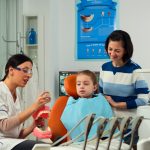
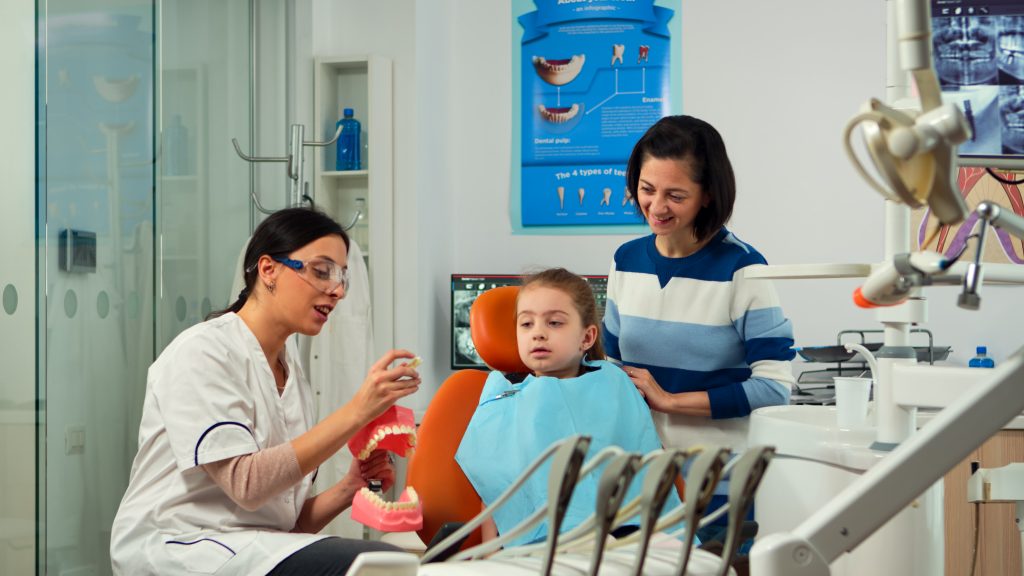
When children learn healthy habits, it can make practicing oral hygiene much simpler during childhood. Children must be taught how to brush properly, clean between their teeth, choose foods that are tooth-friendly, and understand the importance of going to the dentist regularly. A dentist near you can instruct parents on age-specific brushing and daily oral care techniques. As children won’t recognize why these habits are vital, simple do’s and don’ts along with consistent reminders can make oral hygiene a habit for them.
If children develop these habits early on, promoting healthy teeth and gums will become a more natural practice as they grow older.
When Should Children Start Learning About Oral Hygiene?
Oral hygiene should begin before the first tooth appears. Gently cleaning a baby’s gums can help establish a daily cleaning routine. Once the first tooth comes in, brushing should become part of the child’s routine.
As children grow, the level of help they need can change. Young children usually need an adult to brush their teeth or supervise them closely.
How Should Parents Teach Children to Brush?
Children should learn that brushing is a daily habit, not something to do only when the teeth look dirty. Use a soft-bristled toothbrush and an age-appropriate amount of fluoride toothpaste.
A simple routine can include:
- Brush twice a day.
- Brush for about two minutes.
- Clean the front, back, and chewing surfaces of the teeth.
- Use gentle movements instead of scrubbing hard.
- Spit out the toothpaste after brushing.
- Help young children brush areas they may miss.
Pediatric treatment & education near you can provide age-appropriate guidance when parents are unsure about brushing techniques or products.
Why Is Cleaning Between Teeth Important?
Brushing cannot reach every area between the teeth. Food and plaque can collect in these spaces and may contribute to tooth decay or gum problems.
Parents should teach children to clean between their teeth once the teeth touch each other. Floss or another recommended cleaning tool can be used depending on the child’s needs.
The technique should be gentle to avoid hurting the gums.
What Should Children Know About Sugary Foods?
Children do not have to stop eating all sweet foods. However, having sugary foods and drinks too often can increase the risk of cavities.
Helpful habits include:
- Choose water more often.
- Limit sugary drinks.
- Have sweet foods with meals when possible.
- Choose healthy snacks between meals.
- Avoid sipping sugary drinks often throughout the day.
Teaching children why these habits are important can help them make healthier choices.
How Can Parents Make Oral Hygiene Fun?
Young children may get bored when brushing feels like a task. A few simple ideas can make brushing more fun and easier to do every day.
Parents can:
- Let the child pick a toothbrush with a favourite design.
- Use a two-minute timer.
- Brush your teeth together.
- Make a simple brushing chart.
- Praise the child for brushing regularly.
- Let the child brush first, then help finish the job.
The goal is to make brushing a normal part of the child’s daily routine.
Why Are Regular Dental Visits Important?
Regular dental visits with a dentist in Vaughan allow the teeth and gums to be checked as children grow. These visits can also help identify early concerns and give parents practical advice about daily care.
Pediatric treatment & education in Vaughan may include guidance about brushing, fluoride, diet, tooth development, and other age-related oral health needs.
Regular visits can also help children become more comfortable with dental care.
What Should Parents Teach About Dental Emergencies?
Children should know that they need to tell an adult if they hurt a tooth. A broken, knocked-out, or injured tooth may need quick dental care.
Teach children to:
- Tell an adult if they hurt a tooth.
- Avoid touching the injured area.
- Do not bite hard foods or objects with a painful tooth.
- Ask for help if there is bleeding, swelling, or a lot of pain.
Simple steps can help children know what to do if they have a dental injury.
Build Healthy Habits From an Early Age!
Children learn oral hygiene through simple instructions, regular practice, and adult guidance. Brushing twice a day, cleaning between the teeth, making sensible food choices, and attending dental visits can help support healthy teeth and gums as children grow.
Book an appointment with Concord Dental to discuss your child’s oral hygiene needs and get age-appropriate guidance for healthy dental habits.
FAQs
Should children brush before or after breakfast?
Brushing before breakfast can reduce exposure to food acids during the day. If brushing after breakfast is preferred, it may be helpful to wait before brushing after acidic foods or drinks.
Should children use mouthwash?
Mouthwash is not always necessary for children. The right product and age for use can depend on the child’s dental needs. It should not replace brushing and cleaning between the teeth.
Can baby teeth get cavities?
Yes. Baby teeth can develop cavities and still need proper care. Healthy baby teeth support eating, speaking, and normal development while permanent teeth are forming.
How can a child learn to floss?
An adult can demonstrate gentle flossing and help the child practise. Once teeth touch each other, cleaning between them becomes an important part of daily oral care.