Can dental bonding be a good alternative to veneers? In many cases, yes. Dental bonding in Vaughan can improve the look of teeth by adding tooth-coloured material to areas that are chipped, uneven, slightly discoloured, or spaced apart. It is usually a simpler treatment than veneers, but it may not provide the same level of coverage or long-term durability.
The better choice depends on the condition of the teeth, the desired result, and how much tooth change is needed. A dental assessment can help determine which option fits your needs.
What Is Dental Bonding?
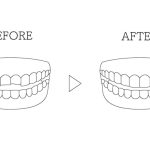
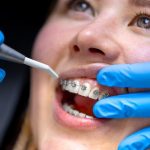
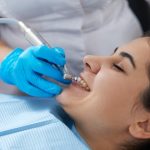
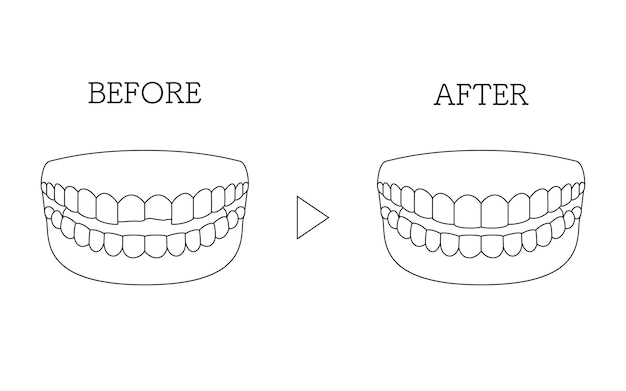
Dental bonding uses a tooth-coloured material that is shaped directly onto the tooth. The material is then hardened and polished to improve the tooth’s appearance.
Dental bonding near you may be considered for concerns such as:
- Small chips
- Minor cracks
- Small gaps
- Uneven tooth edges
- Slight changes in tooth shape
- Mild cosmetic concerns
Because the material is placed directly on the tooth, the treatment can often be completed without removing much natural tooth structure.
How Are Bonding and Veneers Different?
Dental bonding and veneers can both improve the appearance of teeth, but they work differently.
Bonding is applied and shaped directly on the tooth. Veneers are thin coverings made to fit over the front surface of a tooth.
Key differences include:
- Treatment: Bonding is shaped directly on the tooth, while veneers are made to fit the tooth.
- Tooth preparation: Bonding may require little or no removal of natural enamel, depending on the case.
- Durability: Veneers usually last longer, while bonding may chip or wear down over time.
- Cost: Bonding is usually cheaper than veneers, but the price can vary.
- Repair: Bonding can often be fixed or touched up if a small part gets damaged.
When Is Dental Bonding a Better Choice?
A dentist in Vaughan may suggest bonding when the dental concern is small and only a limited amount of cosmetic change is needed.
Bonding can be a practical option when you want to:
- Repair a small chip
- Change the shape of a tooth slightly.
- Close a small gap
- Improve an uneven edge.
- Make a minor cosmetic change without extensive tooth preparation.
It may not be suitable when teeth have extensive damage, severe discolouration, or large areas that need coverage.
When Might Veneers Be More Suitable?
Veneers may be considered when a larger or more consistent cosmetic change is needed across one or more teeth.
They can provide a more uniform appearance and may be useful for certain concerns that bonding cannot address as effectively.
However, veneers require careful planning and may involve some removal of natural tooth structure depending on the type and placement.
A dentist near you can explain whether bonding or veneers is more appropriate after examining your teeth.
How Long Does Dental Bonding Last?
Dental bonding does not last forever. Its lifespan can vary based on the location of the bonding, the amount of pressure placed on the tooth, oral habits, and daily care.
Bonding on teeth used for biting may experience more wear than bonding placed in areas with less pressure.
To help protect bonded teeth:
- Avoid biting hard objects.
- Do not use teeth to open packages.
- Maintain good brushing and flossing habits.
- Attend regular dental checkups.
Address teeth grinding if it is affecting your teeth.
Is Dental Bonding Easier to Change or Repair?
One advantage of bonding is that small areas can often be repaired or reshaped without replacing an entire covering.
Dental bonding in Vaughan may also be useful when you want a cosmetic improvement without committing to a more permanent treatment.
Still, bonding is not indestructible. A bonded area can stain, chip, or wear, especially when exposed to strong biting forces.
Take a More Personal Approach to Your Smile Goals!
Choosing a cosmetic dental treatment is about more than changing the look of your teeth. It is important to consider your natural tooth structure, desired results, daily habits, upkeep, and long-term oral health before deciding. Book an appointment with Concord Dental today to talk about the changes you would like to make, compare suitable treatment options, and find out whether dental bonding fits your smile needs.
FAQs
Are bonding procedures cheaper than veneers?
Yes. Typically, bonding costs less, but bonding cost depends on the number of teeth requiring treatment and the amount of work needed.
Does bonding appear real?
Yes. Bonding can be shaped and polished to match the colour of your teeth as required.
Is bonding permanent?
No. Bonding can wear down, chip, or need repairs over time.
Can bonding fix a large gap?
Bonding may help with small gaps. Larger gaps may need a different treatment.