A chipped tooth or stubborn discolouration can affect how comfortable you feel about your smile. Dental veneers offer one way to improve the appearance of selected teeth by covering their front surfaces with thin, custom-made shells. A dentist in Vaughan can assess the cause of the damage or colour change and explain which treatments may be suitable. Although veneers can improve the appearance of certain imperfections, they are not the right solution for every tooth. The best choice depends on your oral health, remaining tooth structure, enamel condition, and your desired result.
How Can Veneers Repair Chipped Teeth?
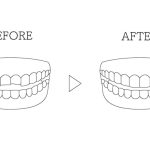
For suitable cases, dental veneers in Vaughan can cover chipped edges, uneven shapes, and minor imperfections. Porcelain or composite veneers are designed to blend with surrounding teeth, helping create a more uniform appearance.
However, the extent of the damage matters. A small chip may be repaired more conservatively with dental bonding, while a significantly weakened tooth may need a crown. An examination helps determine whether a veneer can provide adequate coverage and support without removing more healthy tooth structure than necessary.
Can Veneers Improve Discoloured Teeth?
Some stains do not respond predictably to whitening. Veneers can cover certain types of discolouration by placing a thin shell over the visible surface of the tooth. The material, shade, and thickness influence the final appearance.
If you are considering dental veneers near you, it is important to understand that veneers do not change the underlying cause of discolouration. A tooth that becomes dark after an injury, for example, may need further assessment before cosmetic treatment. Whitening, bonding, or another restorative procedure may be more suitable depending on the cause.
What Should You Consider Before Treatment?
Veneers can provide lasting cosmetic improvements, but preparation and maintenance deserve careful consideration.
- Enamel Removal: Veneer placement often requires removing a small amount of enamel. This change is irreversible.
- Existing Dental Problems: Decay and gum disease should be assessed and treated before elective veneer placement.
- Bite and Grinding Habits: Clenching or grinding can increase the risk of chipping or damage.
- Expected Maintenance: Veneers can wear, loosen, or require repair or replacement over time.
The goal is to achieve an appropriate result while preserving healthy tooth structure. A veneer may not be suitable if a tooth lacks sufficient enamel or has extensive structural damage.
How Do You Care For Dental Veneers?
A dentist near you can explain how to maintain your veneers and protect the underlying teeth. Daily care is similar to caring for natural teeth:
- Brush twice daily with fluoride toothpaste.
- Clean between teeth every day.
- Avoid biting hard objects, such as ice or fingernails.
- Attend regular dental examinations to monitor the veneers and surrounding gums.
Veneers themselves do not develop cavities, but the natural tooth around their edges remains vulnerable to decay. Good oral hygiene and routine reviews help maintain both appearance and oral health.
Choose A Treatment That Fits Your Smile!
Improving a chipped or discoloured tooth begins with understanding why the change occurred and how much natural tooth structure remains.
Book a consultation with Concord Dental to find the right treatment that balances appearance, durability, and long-term oral health, rather than focusing on cosmetic results alone.
FAQs
Can veneers repair a badly chipped tooth?
Possibly, but extensive damage may require a crown or another restorative treatment. The amount of remaining healthy tooth structure, the location of the chip, and bite forces help determine the most appropriate option.
Are veneers a permanent solution for discoloured teeth?
Veneers can provide long-lasting coverage for selected stains, but they may eventually need repair or replacement. Porcelain veneers resist staining better than composite materials, although neither option eliminates the need for regular oral care.
Do veneers require enamel removal?
Many veneer treatments require some enamel removal to create room for the shell and support proper bonding. Because enamel does not grow back, this preparation is generally irreversible. The amount required depends on the tooth and the chosen technique.
Should I try teeth whitening before veneers?
Whitening may be appropriate if the discolouration affects natural teeth and responds to bleaching. Veneers may be considered for stains that are difficult to correct with whitening or when changes to tooth shape are also desired. A dental assessment can help establish the best approach.