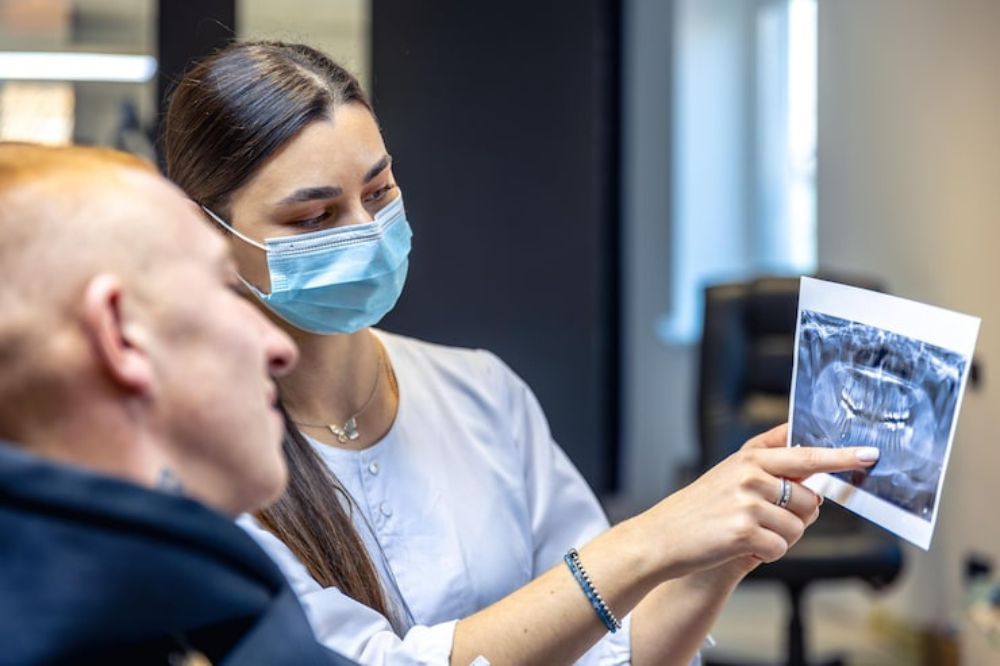
Maintaining a healthy smile involves more than just brushing and flossing. While most people visit a dental clinic to check for cavities, another vital part of your checkup is looking for signs of oral disease. Getting an oral cancer screening in Vaughan is a quick and effective way to ensure your mouth stays healthy. This simple exam is non-invasive and only takes a few minutes, yet it can be one of the most important steps you take for your long-term wellness.
Understanding Oral Cancer Screening
An oral cancer screening is a routine dental check performed by a dentist near you to detect signs of oral cancer or precancerous conditions. The goal is to find any issues early when they are much easier to treat. During a standard dental visit, the professional will look for red or white patches, sores that do not heal, or unusual lumps in your oral tissues.
Because oral cancer often begins without any pain, many people do not realize anything is wrong until the condition has progressed. Regular screenings act as a safety net, helping to catch changes that are not visible to the untrained eye.
What Happens During the Exam?
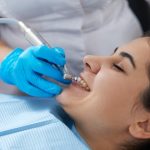
Many patients feel nervous about medical exams, but this process is very straightforward. You do not need to do anything special to prepare. Your dentist in Vaughan will follow a systematic process to ensure that every area of your mouth and neck is thoroughly checked.
- Visual Inspection: The dentist uses a bright light and a small mirror to look at your lips, gums, tongue, and the roof of your mouth.
- Physical Check: They will gently feel your jaw, neck, and the insides of your cheeks to check for lumps or hard spots.
- Advanced Tools: Some clinics use specialized lights or rinses to highlight abnormal cells that might not be visible under regular light.
Who Should Get Screened?
While anyone can develop oral cancer, certain factors can increase your risk. If you fall into any of the categories below, you should make sure to ask for an oral cancer screening near you during your next cleaning.
| Risk Factor | Why it Matters |
| Tobacco Use | Cigarettes, cigars, and chewing tobacco are the leading causes of oral cancer. |
| Alcohol Consumption | Heavy alcohol use significantly increases the risk of mouth and throat cancers. |
| Sun Exposure | Frequent sun exposure without protection can lead to cancer on the lips. |
| HPV Exposure | The Human Papillomavirus is linked to an increase in oropharyngeal cancers. |
Even if you have no risk factors, screenings are still important. About 25% of oral cancer cases occur in people who do not smoke or have other known risks.
Common Signs to Watch For
Between your professional visits, you should monitor your oral health. If you notice any of the following symptoms lasting for more than two weeks, it is time to see a professional:
- A sore or ulcer that does not heal.
- Persistent pain or numbness in the mouth or lips.
- A white or bright red patch on the gums, tongue, or lining of the mouth.
- Difficulty chewing, swallowing, or moving your jaw.
- A feeling that something is caught in your throat.
Why Early Detection Is Key
The most compelling reason to stay consistent with your screenings is the success rate of early treatment. When oral cancer is found in its beginning stages, the survival rate is significantly higher—often between 80% and 90%. By the time a patient feels pain or sees a large growth, the cancer may have spread to the lymph nodes, making it harder to manage.
Think of this exam as a routine maintenance check for your body. Just as you would check the oil in your car to prevent engine failure, a dental professional checks your mouth to prevent serious health complications.
Closing Thoughts
Your oral health is a window into your overall well-being. Prioritizing preventive care is the best way to stay healthy and enjoy peace of mind. If it has been a while since your last checkup, now is the perfect time to reach out to a professional. At Concord Dental, we are committed to providing thorough care to keep our community safe and smiling. Don’t wait for symptoms to appear—take a proactive step for your health and book an appointment with us today for your comprehensive examination.
Frequently Asked Questions
Does an oral cancer screening hurt or require any needles?
No, the exam is completely painless and non-invasive. It involves a simple visual check and a gentle physical touch of tissues.
How often should I have an oral cancer screening performed?
Most dental professionals recommend a screening once a year, or every six months during your regular dental cleaning and checkup.
What happens if the dentist finds something suspicious during the exam?
If an abnormality is found, your dentist may ask you to return later or refer you to a specialist for testing.
Are these screenings only for people who smoke or use tobacco?
No, everyone should be screened. While tobacco is a risk, many cases occur in patients with no history of tobacco use.
How long does a typical oral cancer screening take to finish?
The exam is very quick, usually taking less than 5 minutes during your regular dental hygiene visit or checkup.